
80 / “I want to start an AI business, but don’t know how to begin?”
Others don’t know the pain points, you do.

Hello my friend! 👋
Earlier this month, I caught up with a friend who’s keen to start an AI-focused business, but still figuring out what exactly to build.
We talked about a bunch of things, some tough questions, some honest advice.
Here are a few points I thought were worth writing down:
⸻
If you don’t have a tech background, should you learn to code or find a technical co-founder?
My take: both. It’s not an either-or decision.
Start by building your own rough demo. Even if it’s held together with no-code tools, AI wrappers, or vibe coding, get something out there. Share it with friends. Post it on social. See if anyone cares enough to ask questions, give feedback, or follow up.
Then look for a technical co-founder to help with what comes next. Don’t fall into the trap of trying to do everything yourself forever.
There’s a kind of pain worse than failure: knowing exactly what’s wrong with your product but not having the skills to fix it. That’s what happens when you stretch yourself too thin for too long.
⸻
Can two people realistically build something meaningful?
I’m a realist. I constantly ask myself: what resources do I have right now?
And based on that, I decide: what’s the most valuable thing I can do with them?
Lately, due to family stuff, I only get 2–3 hours of focused work per day. So I force myself to prioritise brutally: what’s the one thing I can do now that moves the needle?
That’s the rational side.
But there’s an emotional side too. Sometimes I just tell myself: It’s okay if I can’t get everything done. The world won’t end.
⸻
What if the idea isn’t flashy — like it’s not AI infra, not consumer, and not “sexy”?
This was a concern my friend voiced:
“What if what I’m building just isn’t cool enough? Will anyone care?”
Here’s my take: If you don’t come from a technical background, your edge is probably domain insight.
That’s your moat.
It’s like The Alchemist, the treasure isn’t in some faraway land, it’s probably under your feet.
You may not build the next-gen AI model, but you can embed AI into the workflows of industries you already understand.
Others don’t know the pain points, you do.
Others can build the tech, but you know where it actually fits.
⸻
How do you convince a technical co-founder to work with you?
Start by being honest with yourself:
If your idea is something a developer could just build on their own, why should they work with you?
You need to be able to show what you bring to the table:
Real user insights or domain knowledge
The ability to define and shape the product
You can handle market, content, GTM, and storytelling
And most importantly, you’re not looking for someone to “build your idea” — you’re looking for a partner
Also, understand how engineers think.
They’re not sales reps or marketers, they’re more like skilled builders.
Think of them like contractors: bricklayers, carpenters, electricians.
They don’t want to hear about “massive TAM” or “category-defining strategy.”
They want to see:
Clear specs
Thought-through designs
Confidence that the project isn’t just fluff
Respect that mindset, and collaboration becomes a lot easier.
⸻
Let me know if any of this resonated, especially if you’re in a similar place. Would love to hear how you’re thinking about AI + indie product building right now.
Goodies for this week
Psychological Design: 7 Tactics to Turn Leads into Customers
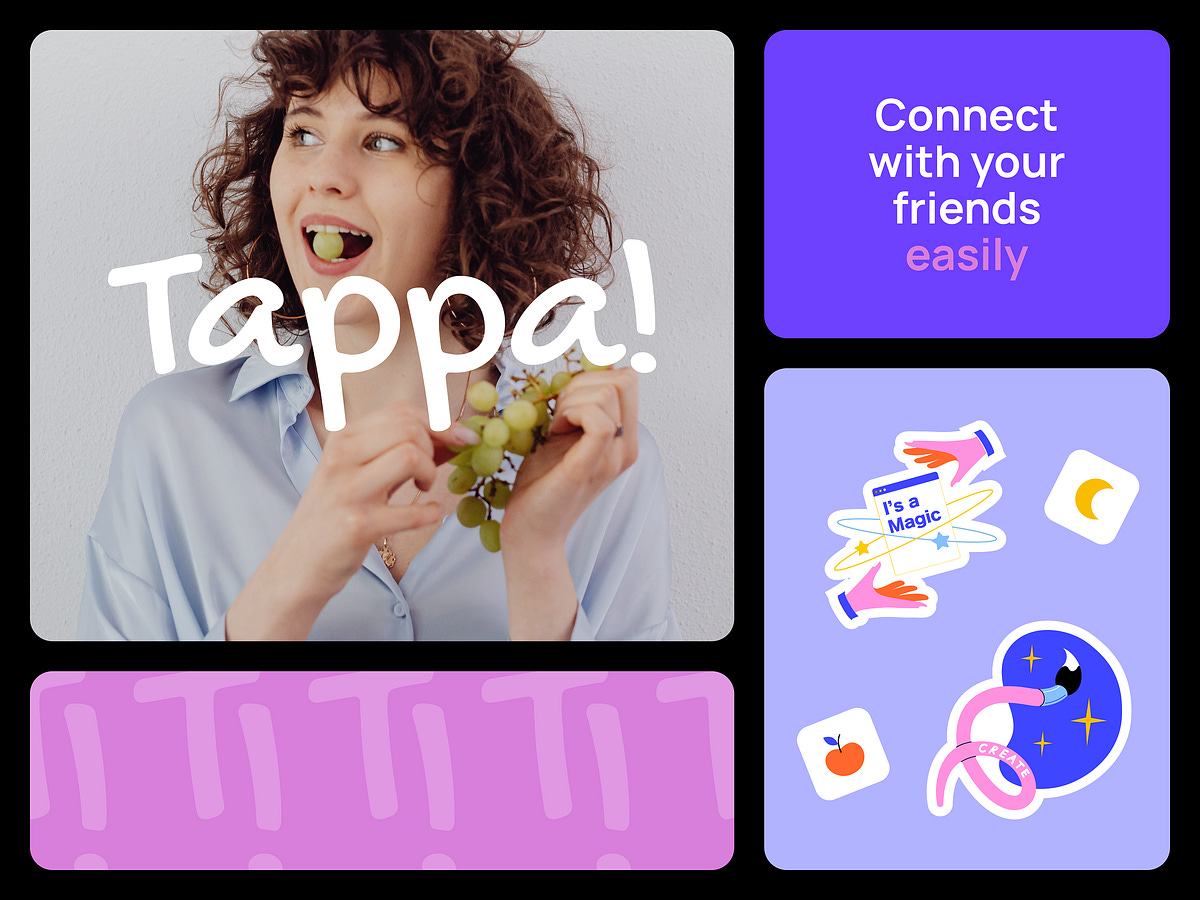
This article by Outcrowd Studio is a gem — it reminds us that good design isn’t decoration; it’s psychology in action.
It breaks down seven core principles that help convert attention into action.
Key takeaways:
Reduce cognitive load – confusion kills conversion. Keep the page simple, the navigation intuitive, and forms short.
Manage attention – focus on one main goal per page. Every design element should either lead toward that goal or disappear.
Apply Gestalt principles – proximity, similarity, symmetry, and figure-ground relationships guide the eye naturally.
For example, symmetrical layouts feel cohesive, but a single asymmetric element nearby becomes a perfect focal point.
Humanise your brand – show real people behind it. “Let them peek backstage” — authenticity builds trust.
Teach, don’t sell – people love being helped, not pushed. Educate first, and conversion follows.
Ultimately, great psychological design reduces friction, directs attention, and connects emotionally.
It doesn’t shout — it guides.
Original article:
👉 Psychological Design: 7 Tactics to Convert Leads into Customers (Medium)
The Smartest Way to Capitalize on the AI Gold Rush
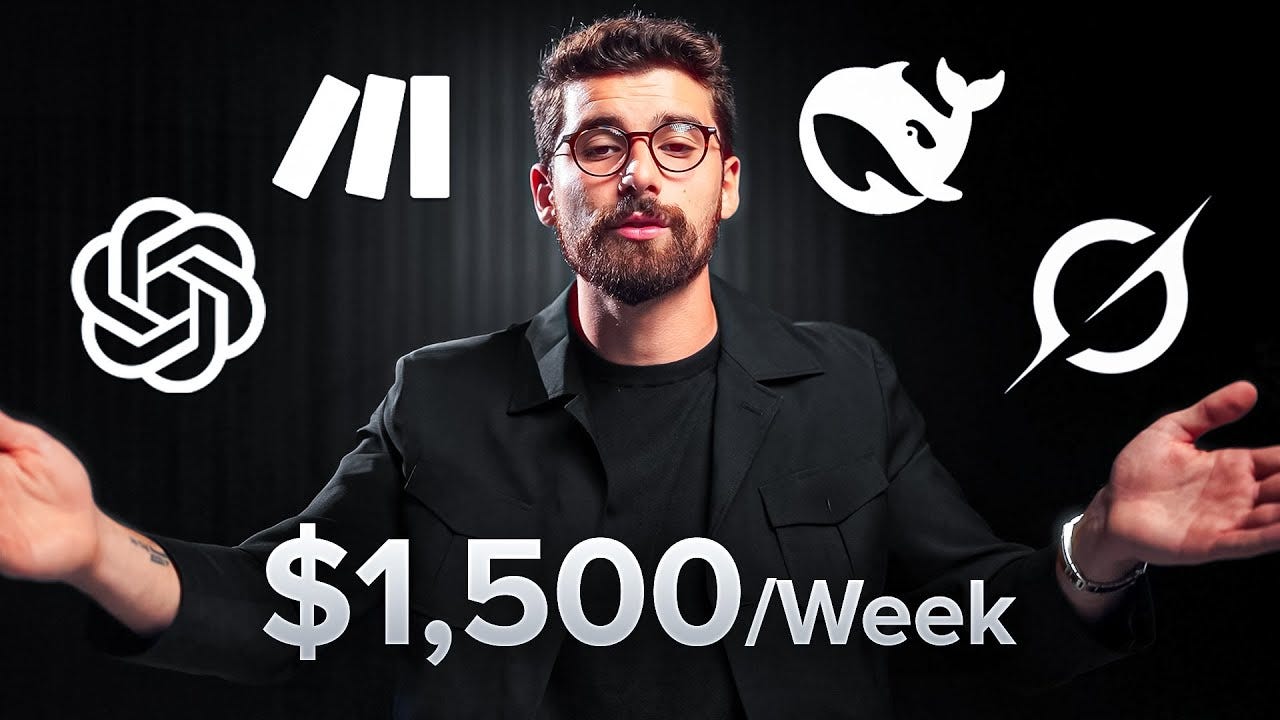
I recently watched Iman Gadzhi’s video on how to make the most of the AI wave.
It’s not revolutionary, but it hits a key truth: AI isn’t the destination — it’s leverage.
Here are the main takeaways:
AI is infrastructure.
It’s the electricity, not the factory. What matters is what problem you’re solving and what value you’re creating with it.
The window won’t stay open forever.
The current AI advantage is temporary. In a few years, using AI will be as normal as using Google.
So the best move now is to take what you already know — your craft, your niche — and amplify it with AI.
He also made a solid point about focusing on specific, embedded tools, not general ones.
Don’t chase hype. Find the AI tools that truly speed up your own workflow.
In short, this gold rush isn’t about who digs faster — it’s about who digs smarter.
AI is leverage, not luck.
Original video:
👉 The SMARTEST Way to Capitalize on the AI Gold Rush - YouTube (Iman Gadzhi)

Hello, I’m Bear—a product designer, UX mentor and an award‑winning bilingual podcast host, currently living in Auckland, New Zealand. I enjoy sharing insights from my work, life, and study, helping all of us grow together.
Bear Academy Newsletter is my weekly email packed with thoughts on technology, design, and productivity—featuring book breakdowns, learning tips, and career reflections. Subscribe for free at bear.academy
💬 Contact
Youtube.com/@Bearliu - A video is worth a thousand words
bear@beartalking.com - The old fashion email way
LinkedIn.com/in/bearliu - My professional life
Beartalking.com - all my posts, in English and Chinese
https://twitter.com/bearbig - Majorly I post in Chinese