
79 / A Feedback Gallery for the Soul
“Is my work good enough, does it matter?”

Hello my friend! 👋
Lately, I’ve been thinking, maybe as we get older, we finally realise the mind needs care and training, not just rest.
We hear this in our twenties, but it really sinks in later.
That “inner child” in us does need looking after.
This came up after I saw some harsh comments on social media.
I’ve been doing content for years and can handle it, but some words still sting.
While walking yesterday, I had a good chat with ChatGPT and started to understand myself better.
So I made a “Feedback Gallery” in Notion.
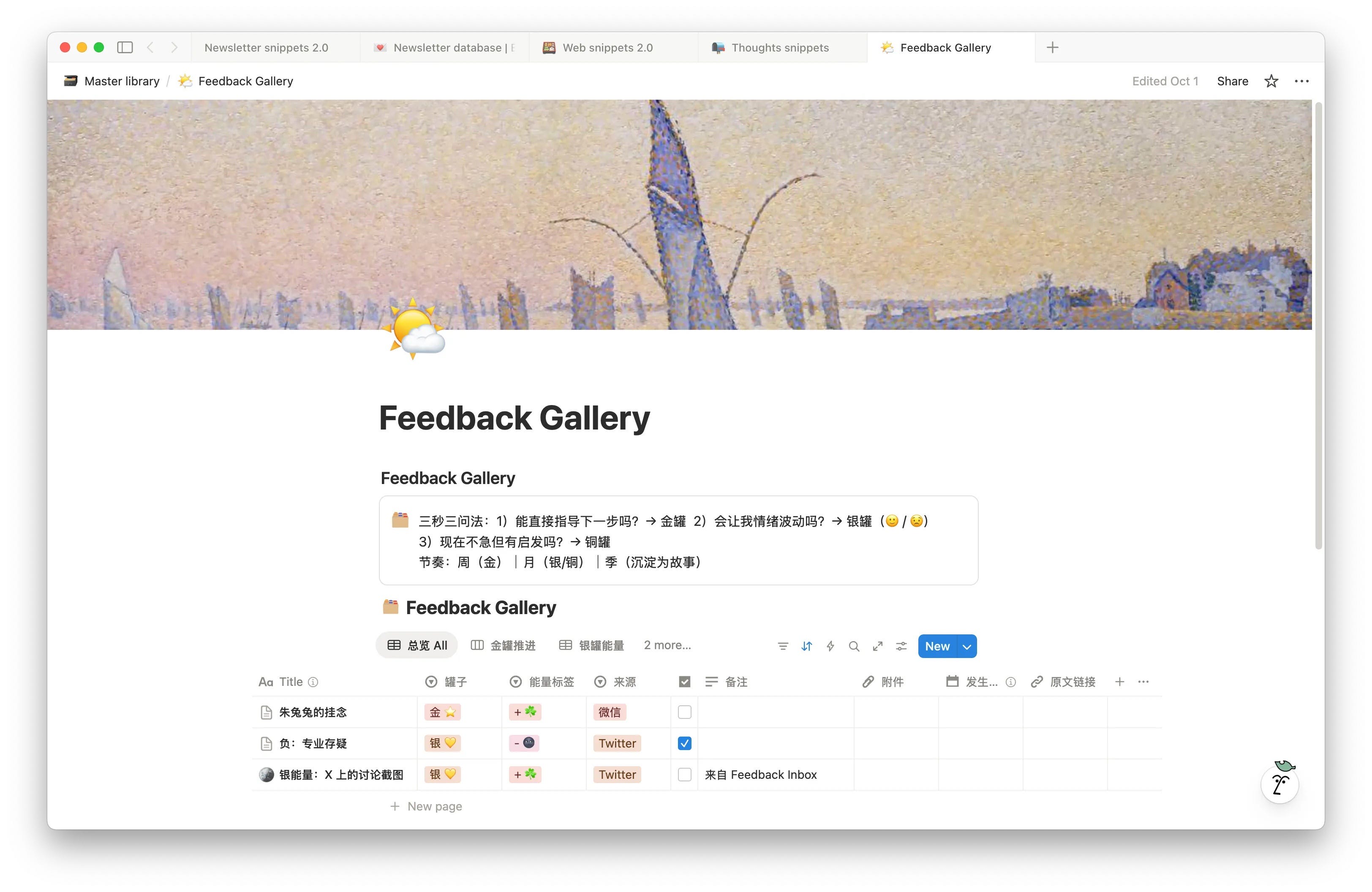
It has three parts:
Action, feedback I can use to improve
Energy, both praise and criticism. I save the positive ones for when I feel low, and only glance at the negative when needed
Inspiration, ideas or comments that spark creativity
I’ve tried this before, but lost the habit when switching tools.
This time, I’m bringing it back, especially the “Energy” part.
When I’m doubting myself, reading kind words really helps.
As a designer and creator, it’s easy to wonder,
“Is my work good enough, does it matter?”
In those moments, this little jar becomes a quiet reminder,
yes, it does.
[Ad] Build Confidence in Speaking English—Start with JAM
JAM is a one-minute speaking practice app: random topics, 60 seconds of nonstop talking, and an AI coach named Jammy who corrects you instantly and shows better phrasing. One minute a day is enough to go from “too shy to speak” to “speaking naturally.”
Newsletter readers get an exclusive bonus: 1 month free membership (worth $5). Start your 30-day challenge now, and in a month you’ll be surprised by how much smoother your English sounds.

Free 1-month membership trial:
It’s Time to Strengthen My Mental Capacity
I’ve decided to start intentionally taking care of my mental capacity.
We all understand the importance of physical health. If your body breaks down, your energy follows, and energy itself is a kind of capability.
But what I mean by mental capacity isn’t just willpower or some kind of motivational talk.
It’s not the same as intelligence or logic, either.
In the AI era, skills like analysis, memory, and even decision-making aren’t rare anymore.
AI can often do those faster and better than us.
What can’t be replaced is your ability to
know which thoughts are worth following,
decide what really matters,
stay curious and go deeper when others stop at the surface,
and see the essence of a situation through the noise.
That’s what I call mental capacity — the ability to stay calm, focused, and clear in a world full of distractions.
We may no longer be “knowledge workers” in the traditional sense.
Knowledge is cheap now. Search engines and AI can pull it up in seconds.
The real challenge is whether you can make sense of all that noise,
whether you can direct your attention, manage your thoughts, and stay steady without being swept away by everything around you.
That’s what we need more of,
not more information,
not faster responses,
but a mind that sees clearly, acts with intention, and stays grounded.
In this age, being smart is no longer enough.
What’s rare, and truly powerful, is having mental capacity.
Where Do Hairstylists Keep Their Portfolios?
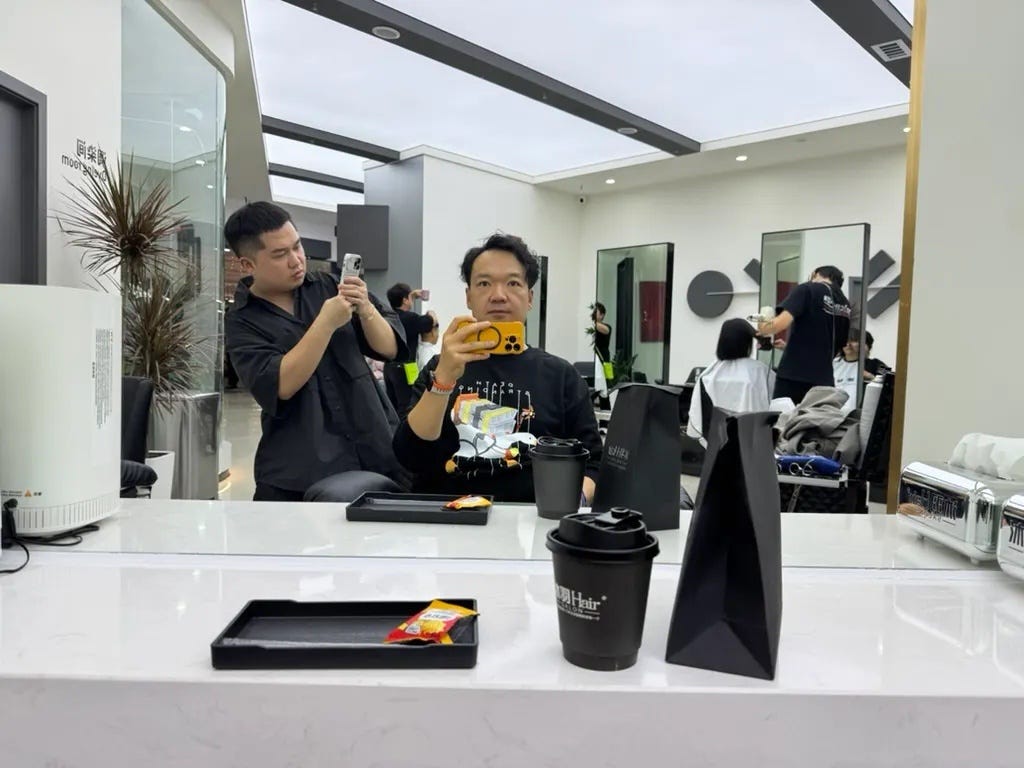
The other day I got a haircut and chatted with the stylist — or “Tony老师” as we say in China. He told me people in their industry often switch jobs, and I asked, “Do you have an app to find jobs or manage clients?”
He said, “Not really, but we all use Dianping’s pro version.”
Turns out, Dianping (like Yelp) has a “professional mode” for service workers like hairstylists and massage therapists.
It shows their reviews, ratings, and work history — and the data follows the person, not the salon.
So when they move jobs, their record moves with them.
In short, their Dianping profile is their portfolio.
After the haircut, he asked me to leave a review.
He even helped: took my phone, used voice input to say, “Nice cut, great service,” added a photo, and done.
Smooth, practiced, and effective.
That’s a real-world testimonial system.
We product people can learn a lot from it.
An Investor’s Take on Small Projects, and What It Made Me Think About
A few days ago, I joined an event as a guest speaker about building products.
The first speaker was an investor who shared what she looks for in small, independent projects. Her points really made me think.
Here’s what she said investors like to see:
1. A working product demo, even if it’s early
2. Some value validation, a little revenue helps
3. A full-time team, not just one person
4. At least six months of operation
When I heard this, I thought, maybe our product JAM actually checks all those boxes.
It might be a good time to think about raising funds.
But I kept wondering, why did she highlight “six months”?
Later I realised it’s about retention.
Getting lots of users at launch looks great,
but if 90 percent leave the next month, it’s not sustainable.
A product with steady retention, like losing only 30 percent, is much more solid and safer to invest in.
That got me thinking more seriously about JAM and growth.
If you’re building something too,
are you planning to raise money?
How do you think about timing?
A Reminder to Look Up from the Internet
Spending too much time online, it’s easy to forget to check in with the real world. Social platforms, especially places like Twitter, often distort reality: magnifying fringe opinions until they feel like universal truths.
Take this comment I saw recently:
“Surely no one goes to photo studios for ID photos anymore? AI headshots are so realistic now.”
That’s a classic example of being disconnected from how things actually work offline. It’s a projection from a small bubble, not a reflection of the broader world.
So here’s a gentle reminder: step outside, pay attention to the real world. It’s often very different from what your feed is telling you.
Code ≠ Software

Writing code is not the same as building software.
Just like sketching a design by hand is not the same as launching a real product.
A quick self-reminder: once it gets down to pushing pixels, there’s still a lot of detailed work to be done.
The Amazing Art of the Video Game Marquee
I came across a wonderful post by Dan Sinker titled “The Amazing Art of the Video Game Marquee.” He visited an arcade museum in Chicago that houses more than 800 playable machines — the largest collection in the world. For just $25, visitors can play all day, surrounded by the glowing nostalgia of 1980s arcade culture.
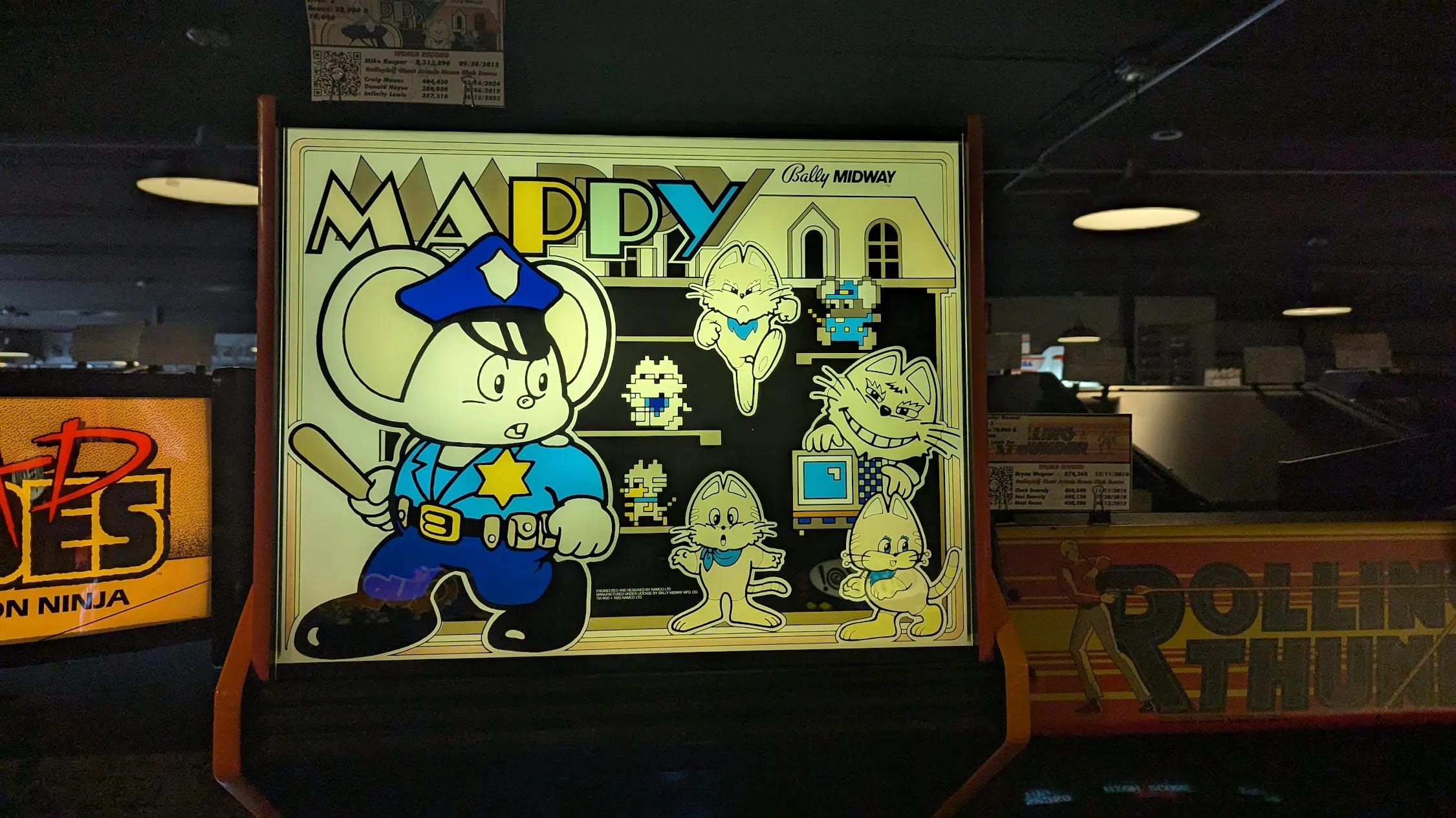
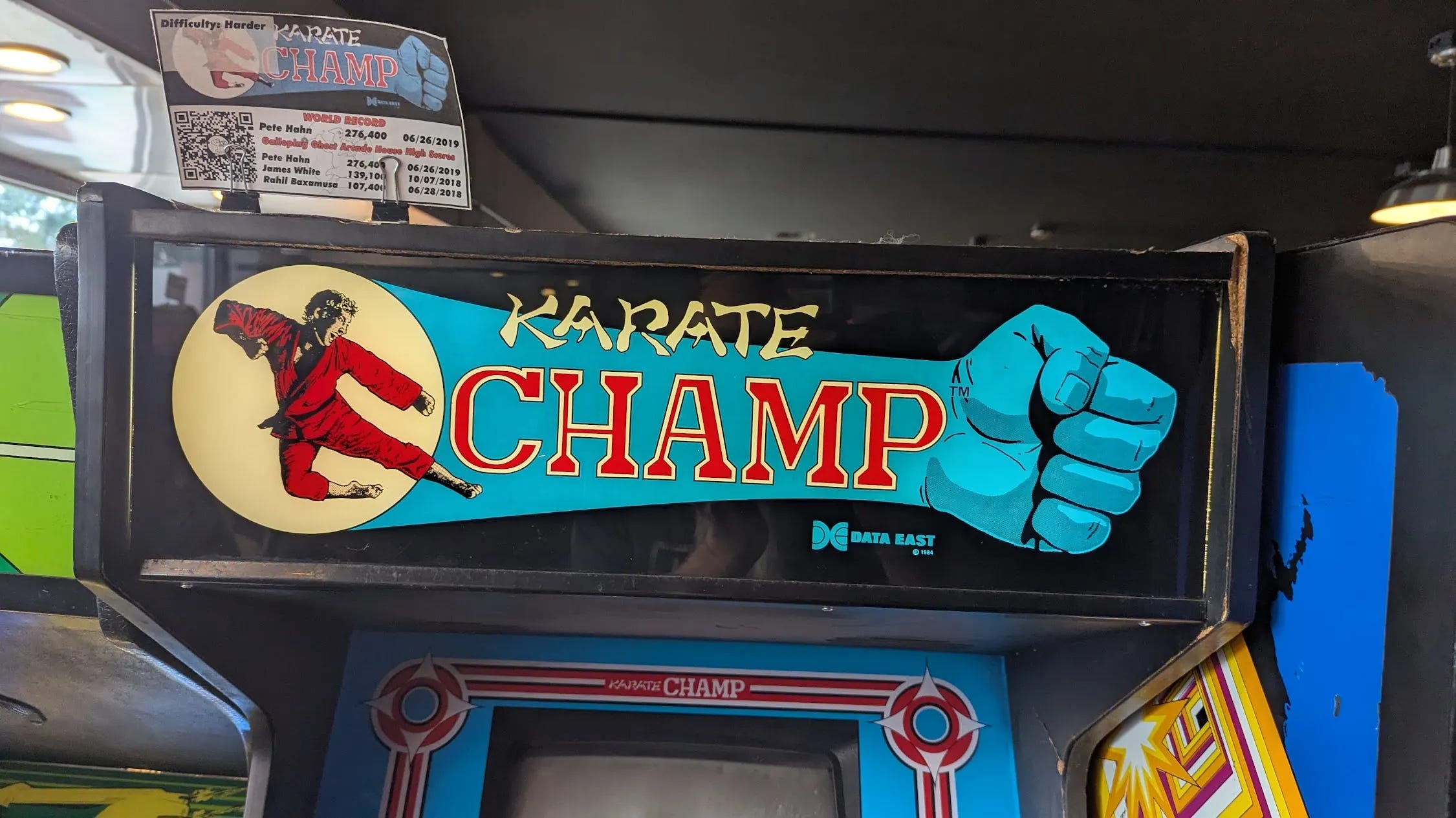
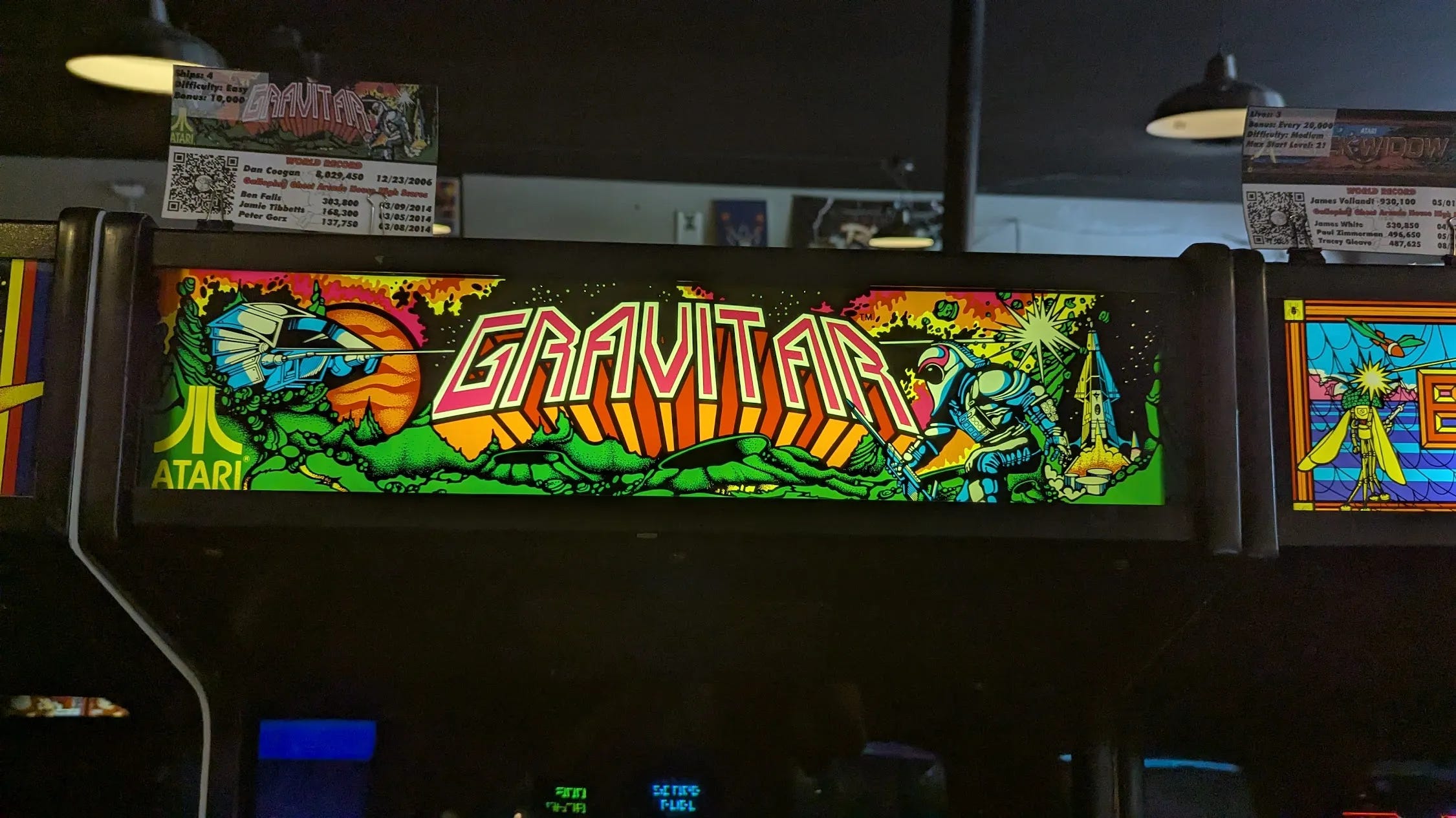
But the real story isn’t about the games themselves; it’s about the artwork that crowned them. In the pre-Internet era, every arcade cabinet had a backlit marquee — a single static image that had to grab your attention from across a noisy room. With no trailers, screenshots, or influencer reviews, the marquee was the only advertisement a game had. Designers relied on vibrant colour, heavy contrast, and wild typography to make players stop, look, and spend a coin.
Sinker photographed dozens of these marquees, and they look astonishingly like the spiritual ancestors of modern YouTube thumbnails. Before social media, this was how attention was engineered — through pure, analogue design.
What struck me most was the irony: I’ve never actually played any of the games shown in those marquees, yet the images still hit me with a sense of recognition. It’s a reminder that strong visual storytelling transcends time and technology — whether it’s a glowing sign on a 1980s arcade cabinet or a thumbnail on today’s feed.
Original article:
👉 The Amazing Art of the Video Game Marquee — dansinker.com

Hello, I’m Bear—a product designer, UX mentor and an award‑winning bilingual podcast host, currently living in Auckland, New Zealand. I enjoy sharing insights from my work, life, and study, helping all of us grow together.
Bear Academy Newsletter is my weekly email packed with thoughts on technology, design, and productivity—featuring book breakdowns, learning tips, and career reflections. Subscribe for free at bear.academy
💬 Contact
Youtube.com/@Bearliu - A video is worth a thousand words
bear@beartalking.com - The old fashion email way
LinkedIn.com/in/bearliu - My professional life
Beartalking.com - all my posts, in English and Chinese
https://twitter.com/bearbig - Majorly I post in Chinese